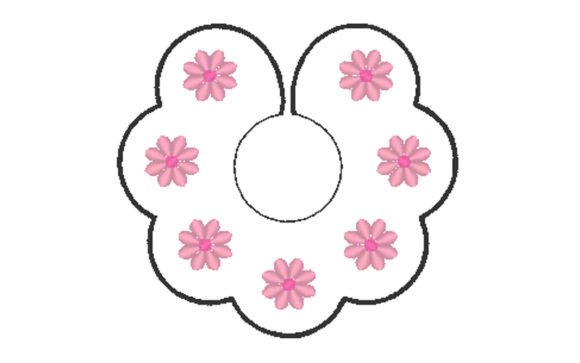
Collar Embroidery Design Review for Small Business Merch
When a new machine embroidery design lands on my test screen, I always ask the same question: “Would I trust this on a paying client’s order?” This time, the file on my side is named Collar. The product description promises a lovely look, an extraordinary finish, and an adorable accent that can be sewn onto any fabric. As someone who stitches for boutiques, coffee shops, and handmade brands, I immediately picture a dozen ways to use it — but I also know the gap between a pretty preview and a durable, professional finished product. This review is my honest, screen-to-thread walkthrough of Collar, written for small business owners, embroiderers, and merch creators who need every design to earn its place on a cap, apron, or tote.
First Impressions: The Personality of Collar
Opening the file, Collar feels instantly friendly and playful, yet it carries a clean structure that hints at something more polished. The name itself suggests a decorative neckline accent — maybe a classic shirt-collar shape, a scalloped petal collar, or a whimsical sailor collar. Without seeing the finished stitch-out, the title and the “Back To School” category suggest a charming, youthful energy, but I wouldn’t box it in. The promise of “multiple embroidery” likely means you get a few variations or sizes, which is a huge plus for a digital embroidery file meant for business use. The first impression is half handmade charm, half crisp commercial potential. It leans decorative, not rustic; it’s sweet without being cutesy, and that balance is exactly what makes a design versatile enough to live on a staff apron, a tote bag, or a branded patch.
Where Collar Shines in Small Business Merch
I judge every embroidery file by how many billable products it can realistically enhance. Collar passes that test with room to spare. Its shape and theme make it a natural fit for businesses that want to add a personal, handcrafted touch without overwhelming their brand identity. Think of a small florist who wants a subtle collar motif on linen aprons, a children’s boutique that needs a delicate accent on onesies, or a pet bakery that uses collar-shaped patches on treat bags. The design’s adorable accent works like a charm in spaces where you want to signal care, creativity, and a little bit of whimsy.
Patching It Up: Embroidered Patch Potential
One of the most profitable uses for any machine embroidery design is turning it into an embroidered patch. With Collar, I can see a crisp freestanding patch that gets sewn onto baseball caps, jean jackets, or canvas tote bags. The key is to test the design at small patch sizes — if the detailing is too dense, tiny curves can bunch up or close off. I’d run a stitch-out on a sturdy twill or felt, finish the edges with a clean satin border, and offer it as a sew-on or iron-on product. For Etsy sellers and craft business owners, a collar-shaped patch can become a signature item that buyers associate with your shop’s brand identity.
On Uniforms and Aprons: The Branding Sweet Spot
Apron embroidery is one of the highest-return areas for any commercial project, and Collar sits right at the intersection of functional and decorative. On a waitstaff apron, a small collar stamp right below the neckline or on the chest pocket can unify the team’s look without screaming for attention. I’ve done similar placements for cafés and bakeries — the design becomes a quiet cue that says “homemade” and “cared for.” For darker uniforms, you’ll need to check thread color contrast carefully. A collar design that looks great on white cotton might disappear on a black bistro apron unless you adjust the palette. But once you nail the contrast, the result is a professional, branded finish that customers notice.
Caps, Totes, and More: Unexpected Wins
Don’t limit Collar to necklines. As a cap embroidery accent, it can sit on the side or back of a dad hat, giving a soft, approachable vibe to a brand that might otherwise feel too plain. On a tote bag design, a collar motif makes the bag look like a curated handmade product rather than a blank giveaway. I’ve also seen similar designs used on sleeve cuffs, collar tips (yes, a collar on a collar!), and even on the corner of cloth napkins for event merch. A clever product designer can take this one digital embroidery file and spin it into a whole mini-collection.
The Practical Side: Stitch-Out and Production Notes
No matter how lovely a design looks on screen, the real verdict comes from the stitch-out. I follow a strict list of checks before I ever use a new file on a client order, and Collar deserves the same scrutiny.
Testing for Small-Scale Details
Start by stitching the design in black thread on white fabric. This removes all color bias and lets you see the raw shape, density, and spacing. If the design includes tiny elements — like small dots, thin lines, or intricate inner curves — watch how they handle at smaller sizing. Many machine embroidery designs look perfect at 5 inches but start to lose clarity when reduced to 2 inches for a patch. Before committing to a left-chest logo or a cap front, test the smallest size you plan to use. If the supplier offers multiple sizes, you’re in luck. If not, you may need to make editing decisions or accept that this design works best as a statement piece rather than a tiny accent.
Thread, Fabric, and Stabilizer Wisdom
Thread color choice can make or break the adorable accent promised by the description. I usually pull three different thread palettes — one neutral, one bright, and one tone-on-tone — and stitch them on the actual fabric the client will use. A textured fabric like a waffle weave or a heavy canvas will drink up fine details, so a cutaway stabilizer is non-negotiable. For caps, I lean on a firm tear-away and adjust the hoop tension carefully to avoid puckering on curved surfaces. The description doesn’t mention stitch density or specific hoop size, so you’ll need to confirm those details in the file notes. Overly dense designs on soft fabrics can create a stiff, bulletproof patch that feels uncomfortable against the skin — a real problem for clothing items. Always, always test on the final fabric before production.
Brand Identity and the Collar Effect
What I love about a design like Collar is how it quietly reinforces brand identity. A well-chosen embroidery motif tells customers that you’ve thought about the details. For a handmade product business, that can mean the difference between a generic item and a perceived heirloom piece. When a boutique uses this design on product packaging accents — like a stitched tag on a linen pouch — it elevates the unboxing experience. The visual consistency of repeating the same collar shape across multiple touchpoints builds recognition and trust. Customers start to associate that little collar with your shop’s quality, and that’s the kind of organic brand identity money can’t buy.
At the same time, be mindful of overuse. A decorative design like this works best as a supporting element, not the main logo. Pair it with simple text or keep it as a standalone charm. The finished product should feel intentional, not cluttered. I always create a printable mockup for client approval, placing the collar design on a digital photo of the actual garment. This helps them see the scale and placement before the needle ever drops.
Before You Buy: Questions Every Embroidery Designer Should Ask
The description for Collar says it “comes with multiple embroidery,” which likely means multiple variations or sizes, but it doesn’t specify exact stitch counts, file formats, or hoop size requirements. Before you purchase, reach out to the supplier and clarify these points. It’s also critical to confirm commercial embroidery licensing. A design might be sold for personal use, but if you plan to stitch it on items you sell — whether that’s a single Etsy patch or a hundred cafe aprons — you need a license that covers business use. Don’t assume; verify.
I also make a habit of comparing any new design beside my existing design assets. Does Collar fill a gap in your library? If you already have five collar motifs, this one might be a repeat. But if you’re looking for a fresh, approachable accent that works across multiple products, it could be a smart addition. The Back To School category gives it a seasonal advantage for children’s shops, teacher gifts, and educational brands, but don’t overlook its year-round potential for any business that wants to wrap a little warmth around its custom apparel.
In the end, Collar has the bones of a real workhorse for small business merch. It’s friendly, adaptable, and — if the stitch-out holds up — ready to add that adorable accent to a wide range of products. Test it carefully, plan your placements, and this little machine embroidery design might just become the detail your customers remember.