Black Cat Letter X
A Strategic Design Review for Small Business Merchandise
As an embroidery designer who’s digitized and stitched over 2,400 commercial projects—from café aprons to boutique tote bags—I approached Black Cat Letter X with a specific question: *Does this design function as a smart, scalable brand asset—or just a charming decorative motif?* The answer matters deeply when you’re investing in patches for staff uniforms, stitching logos on reusable totes, or branding handmade product packaging.
First Impression: Playful Precision with Quiet Confidence
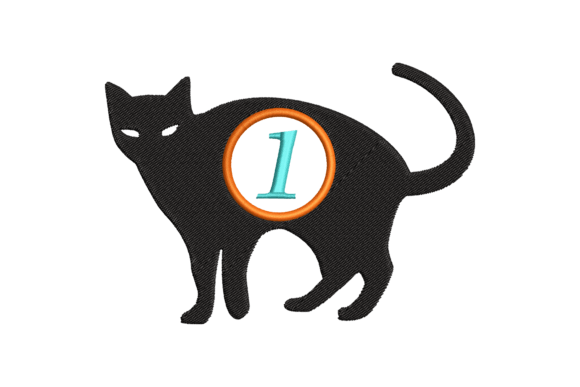
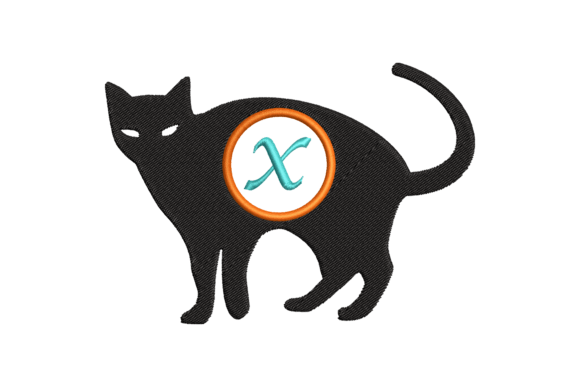
“Black Cat Letter X” signals personality without sacrificing polish. It’s not cartoonish, nor is it sterile—it lands somewhere between modern typographic charm and hand-drawn warmth. That balance makes it unusually versatile for small businesses: a florist can lean into its elegance; a pet-themed shop can highlight its feline wit; a creative studio can use it as a subtle signature accent. Unlike overly ornate monograms or rigid sans-serifs, Black Cat Letter X feels intentional—like a logo that’s been thought through, not just styled.
Real-World Performance Across Business Touchpoints
In practice, Black Cat Letter X shines where clarity and character intersect:
- Embroidered patches: Works exceptionally well at 2"–3" height—clean lines hold up, cat silhouette reads instantly, and the “X” anchors visual weight without overwhelming.
- Staff uniforms & aprons: Ideal for chest placement or sleeve cuffs. Its compact footprint avoids bulk while still delivering brand recognition—especially effective on dark denim or charcoal twill.
- Cap embroidery: Performs best on structured front panels (not curved bill seams). The letterform’s vertical rhythm keeps it legible even when slightly compressed.
- Tote bag design: A standout on natural canvas or heavy cotton—adds artisanal credibility without looking DIY or unpolished.
- Product packaging accents: Think branded tea tins, seed packet tags, or soap labels—stitched directly onto fabric sleeves or twill tape for tactile authenticity.
- Back To School merch: Resonates strongly with indie bookshops, tutoring studios, or student-run co-ops seeking identity beyond generic school fonts.
Where Caution Is Essential
Like any strong design, Black Cat Letter X has boundaries—not flaws, but functional thresholds:
- Avoid sub-1.5" patch sizes: fine details in the cat’s ear or “X” crossbar may blur or stitch poorly without aggressive underlay or specialized digitizing.
- Test rigorously on textured fabric (e.g., burlap, looped terry, or bouclé wool)—high stitch density could flatten texture or cause puckering if stabilizer isn’t matched precisely.
- On dark uniforms, confirm thread color contrast—black-on-black defeats the purpose. Navy or charcoal works beautifully with cream or warm gray thread.
- Curved surfaces (like cap bills or rounded tote handles) require careful hooping and possibly reduced density to prevent distortion.
- Frequent-wash items (e.g., kitchen aprons, reusable masks) demand tight satin stitches and secure jump threads—verify your digitizer optimized for durability.
Brand Identity Impact: More Than Just a Logo
Small business owners often underestimate how much a single embroidered element shapes perception. Black Cat Letter X quietly elevates trust because it signals craftsmanship—not just print-and-go convenience. When customers see it stitched cleanly on a bakery’s linen apron or a florist’s canvas tote, they register care, consistency, and intentionality. That translates directly to perceived value: a $28 tote with Black Cat Letter X feels more curated—and justifies a higher price point—than one with generic heat-transfer text.
It also strengthens visual consistency across touchpoints. Use it as a chest logo on staff shirts, a mini patch on tote handles, and a subtle repeat motif along seam allowances of product packaging—it becomes a quiet throughline, not a one-off decoration. For Etsy sellers and handmade brands, that cohesion builds buyer engagement: repeat customers begin recognizing the mark before they even read your shop name.
Practical Embroidery Designer Notes
Before committing to production, run these checks—every time:
- Test in black and white first. Does the silhouette pop? Does negative space breathe? If it reads weakly in grayscale, color won’t save it.
- Verify small-patch viability. Resize the digital embroidery file to 1.75" height and simulate stitch preview—look for thread congestion or lost definition.
- Review thread color contrast against your base fabric. Print a physical swatch if possible—screens lie.
- Inspect spacing and kerning. Does the cat integrate seamlessly with the “X,” or does it feel bolted on? Tight integration supports professionalism.
- Confirm hoop size compatibility with your primary machines—especially if using multi-needle heads or cap frames.
- Test on real fabric with your exact stabilizer combo. A 60/40 poly-cotton blend behaves differently than 100% linen.
- Create a printable mockup for client approval—include context (e.g., on a navy cap front or oatmeal tote). Visuals prevent costly rework.
- Compare beside other design assets. Does Black Cat Letter X harmonize with your existing logo, typography, and color palette—or clash?
- Confirm commercial licensing. Since this is intended for small business merch and branded patch use, ensure your digital embroidery file permits resale, distribution, and end-product branding.
Remember: Black Cat Letter X isn’t just an embroidery file—it’s a brand amplifier. Used thoughtfully, it bridges handmade appeal with commercial readiness. Whether you’re launching a new pet-themed line, refreshing your café’s staff kit, or building cohesive Back To School merch for a local studio, this design earns its place—not as filler, but as foundation.