Romeo and Juliet Font: A Seasonal Embroidery Review
First Impressions: Romantic, Elegant, and Instantly Gift-Ready
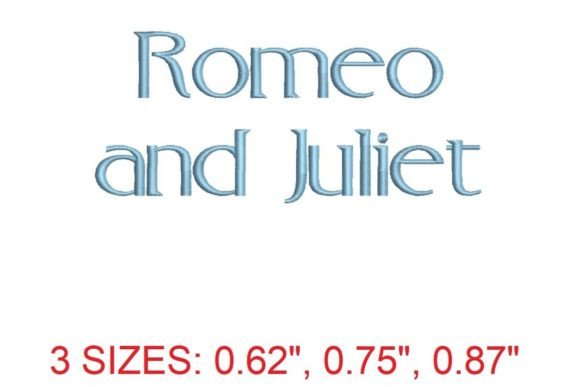
As an embroidery designer who’s built seasonal collections for over 12 years—think holiday markets, Etsy bestsellers, and custom gift drops—I opened the Romeo and Juliet Font expecting delicate script. What I found was something richer: a balanced fusion of classic romance and quiet elegance. The letterforms carry soft flourishes—not overly ornate, not starkly modern—making them feel both timeless and approachable. It reads as romantic, yes, but also cozy, premium, and quietly festive. That duality is gold for seasonal embroidery: it works just as well on a baby onesie for a “First Christmas” keepsake as it does on a linen pillow cover for a holiday hostess gift.
Where Romeo and Juliet Font Shines in Real Holiday Selling
This isn’t just another script font—it’s a strategic asset for small shop owners and handmade gift makers. On sweatshirt embroidery, it transforms basic fleece into heirloom-style family matching sets (“Our Family, Our Story”). As a tote bag design, it adds quiet sophistication to holiday market displays—especially when paired with minimalist botanical motifs or subtle foil accents in mockups. For kitchen towel embroidery, its graceful spacing prevents visual crowding, even with longer phrases like “Gather With Love” or “Bake With Joy.”
It excels in personalized gift contexts: monogrammed ornaments, embroidered patches for school backpacks (a gentle nod to the Back To School category), and pillow covers for newlyweds or empty-nesters welcoming holiday guests. On social media previews, Romeo and Juliet Font stands out in flat-lays—its curves catch light beautifully in natural lighting, boosting engagement without filters. And because it’s inherently legible at mid-size (1.5–3 inches tall), it converts well in printable mockup listings—Etsy sellers report higher click-throughs on thumbnails featuring this font versus denser scripts.
Smart Placement: Where to Use It—and Where to Pause
Like any high-character embroidery file, Romeo and Juliet Font rewards thoughtful application. Avoid using it for tiny lettering under 0.75 inches tall—fine terminals can blur or stitch poorly on dense fabrics. It’s also not ideal for curved caps or heavily stretchy garments unless digitized with extra underlay and reduced stitch density; test first on scrap knit fabric with your preferred stabilizer.
On thick towels or textured fabric texture like burlap or heavy linen, reduce letter spacing slightly and confirm that flourishes don’t trap thread. For dark fabric, use matte white or ecru thread—not glossy metallics—unless you’re aiming for intentional contrast. Metallic thread can exaggerate thin strokes and cause skipped stitches in delicate curves. And while it’s stunning on pillow covers and table linens, skip ultra-fine details on items meant for repeated washing—opt instead for simplified versions or pair with a clean sans-serif for durability.
Seasonal Appeal & Emotional Resonance
Holiday shoppers don’t just buy products—they buy feeling. Romeo and Juliet Font taps into nostalgia, tenderness, and intentionality. That emotional tone lifts perceived value: a $28 embroidered apron feels like a curated gift when stitched with this font, not a generic craft supply. It strengthens brand consistency across product lines—imagine matching embroidered patch sets for kids’ lunchboxes and coordinating tote bags for teachers. Customers recognize the voice instantly, building customer trust through visual cohesion.
For Etsy sellers, that recognition translates to repeat buyers and wishlist saves. In crowded holiday feeds, Romeo and Juliet Font creates visual recognition without shouting—it’s distinctive enough to pause scrolling, soft enough to invite closeness. And because it bridges romantic and refined, it supports inclusive gifting: bridal showers, anniversary gifts, “just because” notes, and even gentle Back To School pieces like “My First Semester” bookmarks or teacher appreciation handkerchiefs.
Practical Designer Notes for Seasonal Production
Before adding Romeo and Juliet Font to your holiday lineup, run these checks:
- Test thread colors on both light and dark fabric swatches—especially ecru, heather gray, and navy—to see how flourishes read under real lighting.
- Check stitch density in the lowercase “g,” “y,” and capital “J”—these often hold the most detail and can pile up if unstabilized.
- Confirm hoop size compatibility early. Some versions scale beautifully from 4x4 to 6x10 hoops—but verify before batching files for production.
- Use proper stabilizer: medium-weight cutaway for knits, tear-away for stable wovens, and optional topping for fluffy towels.
- Create realistic mockups showing the font on actual product types—not just white backgrounds. Show it on oatmeal linen, charcoal sweatshirts, and cream canvas totem bags.
- Review small details after stitching: look for lifted edges on curved terminals and adjust tension if needed.
- Plan matching color palettes in advance—soft sage, dusty rose, warm taupe, and cream work especially well with its tonal warmth.
- Confirm commercial licensing before selling finished seasonal products. Since the product description states it’s for professional and hobbyist use, verify scope with the vendor—especially for large-batch apparel or digital embroidery file resale.
Final Thought: A Quiet Powerhouse for Meaningful Gifting
In a season flooded with bold slogans and glitter-heavy designs, Romeo and Juliet Font offers something rare: emotional clarity with craftsmanship integrity. It doesn’t shout—it invites. It doesn’t trend—it endures. Whether you’re launching a limited-edition small shop product drop, stocking holiday craft fairs, or building a signature line of handmade gift bundles, this machine embroidery design earns its place—not as decoration, but as intention made visible. For the embroidery seller who values resonance over reach, Romeo and Juliet Font isn’t just another digital embroidery file. It’s a quiet promise—of care, continuity, and connection—stitched right into the season.